Collective self-defense is the act of defending other designated non-US forces. Charters prohibition on the use of force by states.

Collective Self Defence Or Just Another Intervention Volkerrechtsblog
selfdfens protection of yourself either by fighting or discussion.
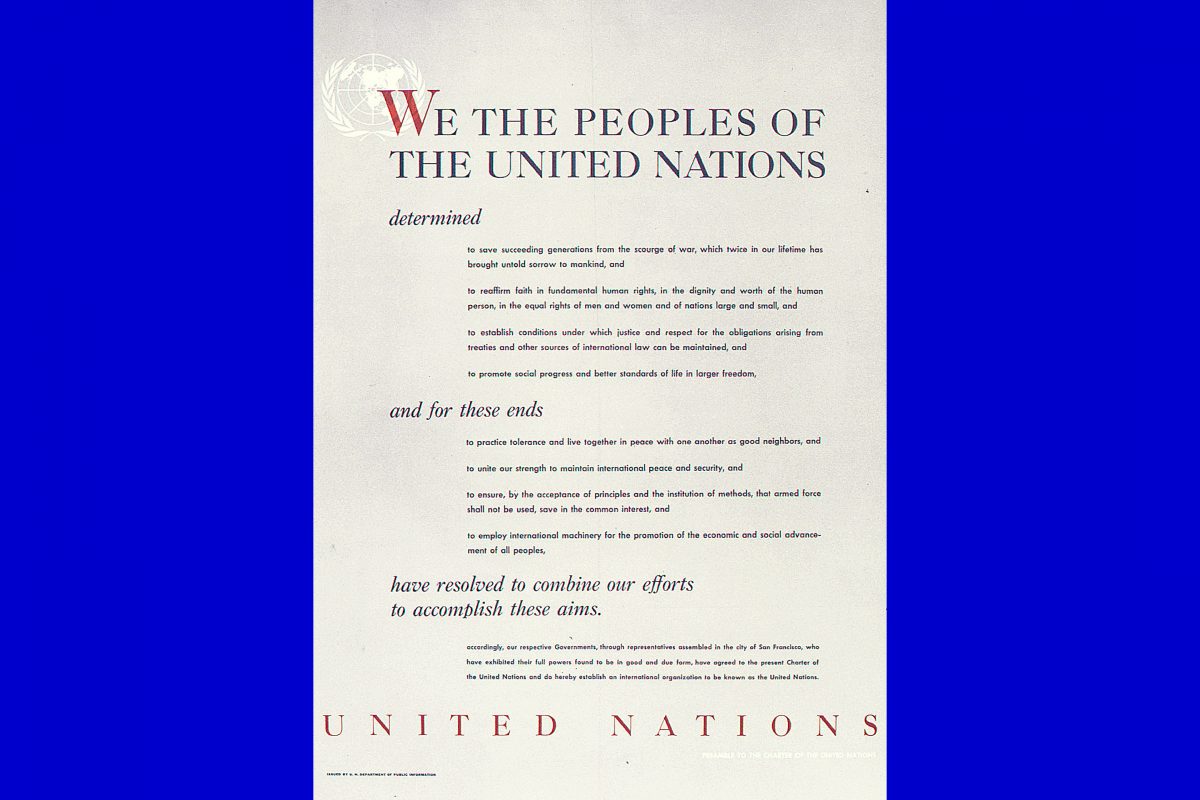
Collective self defense definition. Where collective self-defence is invoked it is to be expected that the State for whose benefit this right is used will have declared itself to be the victim of an armed attack 28 Third the Court held that there is no rule permitting the exercise of collective self-defence in the absence of a request by the State which regards itself as the victim of an armed attack. Collective self-defense is authorized along with individual self-defense by Article 51 of the United Nations Charter. Collective self-defense is the act of defending other designated non-US forces.
At the heart of the United States defense of its actions as por-trayed to the United States public and the international community is the general international legal theory of collective self-defense 9. It permits a member state to intervene in the defense of another member state when that state has been subject to an unlawful armed attack. Principle of Collective Self-Defense Definition.
For international lawyers the phrase collective self-defense refers primarily to the well-established UN Charter right of States to defend other States. It refers to a perception of self as an interchangeable exemplar of some social category rather than a perception of self as a unique person. It stands to reason that any right to use force as an exception to the general prohibition on resort to force would be narrow.
This right pertains to the jus ad bellum that is the law that governs when a State may use force against or in the territory of another State. The collective self consists of those aspects of the self that are based on memberships in social groups or categories. Specifically the United States defended its actions by maintaining.
Then self-defense is not an exceptional and provisional interlude between an illegal act of aggression which has the character. Citizens forces property and interests from a hostile act or demonstrated hostile intent. In self-defense I have to say that I only did what you asked me to do.
29 The Court also held that the requirement in. Collective defence means that an attack against one Ally is considered as an attack against all Allies. The principle of collective defence is enshrined in Article 5 of the Washington Treaty.
NATO invoked Article 5 for the first time in its history after. Here we consider 1 the obligations that international law places on an intervening state and 2 the best practices for an intervening state that may be derived. Only the President or SECDEF may authorize the exercise of collective self-defense.
Only the President or Secretary of Defense may authorize US forces to exercise the right of collective self-defense. Organized according to the principle of collective security self-defense takes place because for some reason or another the collective security provided for does not work. Article 51 permits a state to act in unilateral or collective self-defense only if an armed attack occurs This article concerns the international law exception to.
The right to self-defence as the re-mainder of the more encompassing right to self-preservation reflects the idea of an international order based on the power struggle of states. The collective self is based on impersonal bonds to others that are derived from the shared identification with a social group. He used the gun in self-defense.
Self-Defence and Collective Security Self-defence and collective security represent antagonistic strains of thought on international relations. Only the National Command Authorities may authorize US forces to exercise the right of collective self-defense. Only the President or Secretary of Defense may authorize US forces to exercise the right of collective self-defense.
Collective self-defense is the act of defending other designated non-US forces. A customary international law exception to the general principle favoring the non-use of force. Collective Self-Defense The act of defending designated non-US.
Collective defense is an arrangement usually formalized by a treaty and an organization among participant states that commit support in defense of a member state if it is attacked by another state outside the organization. Collective self-defense is an express exception to the UN.

Cyber Operations In International Law The Use Of Force Collective Security Self Defense And Armed Conflicts Michael N Schmitt Proceedings Of A Workshop On Deterring Cyberattacks Informing Strategies And Developing Options For U S
Https Chicagounbound Uchicago Edu Cgi Viewcontent Cgi Article 1743 Context Cjil
Full Article The Additional Criteria For Collective Self Defence Request But Not Declaration
Https Www Jstor Org Stable 4091369
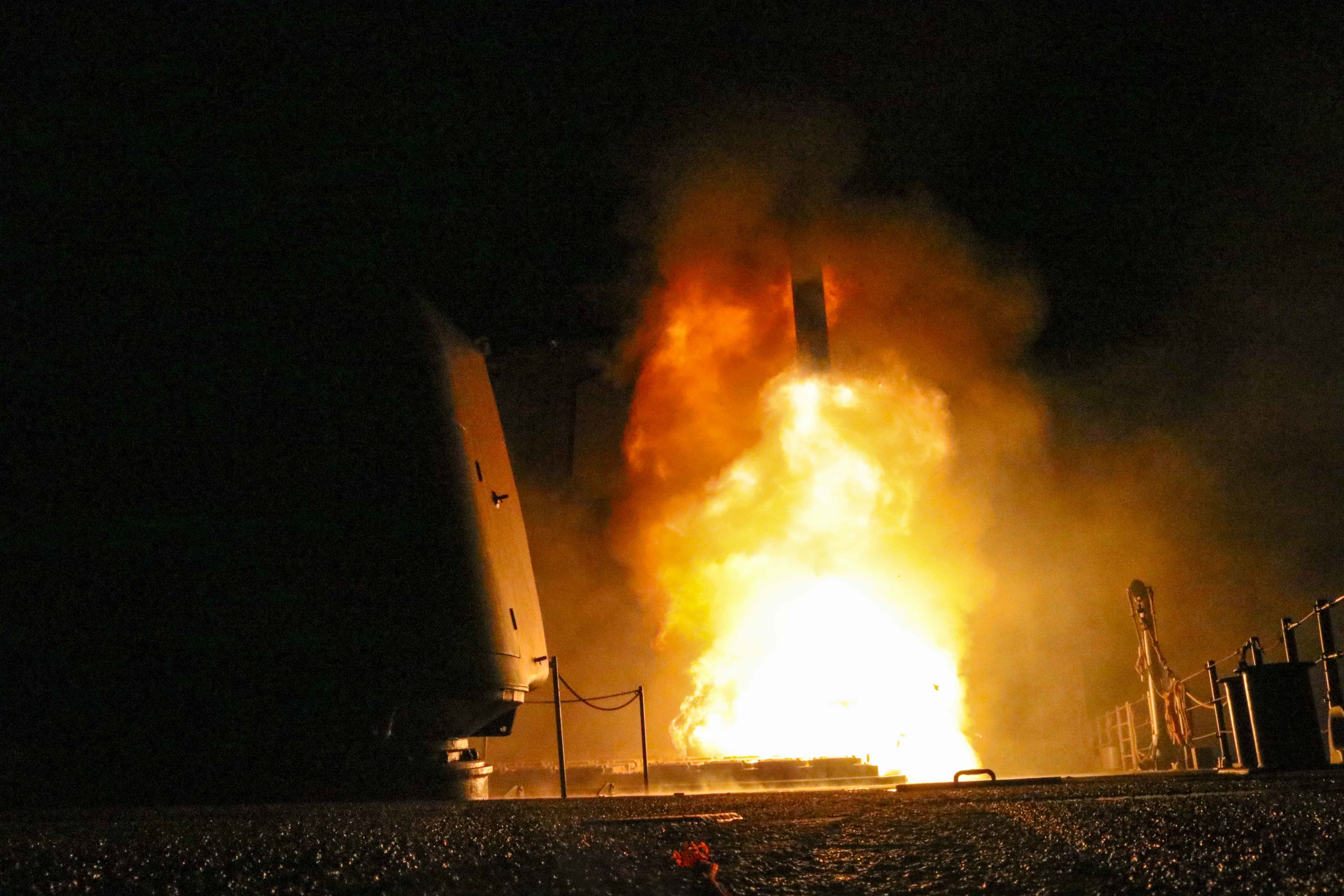
U S Military S Collective Self Defense Of Non State Partner Forces What Does International Law Say Just Security

The Fight Against The Islamic State In Syria And The Right To Self Defence

Cyber Operations In International Law The Use Of Force Collective Security Self Defense And Armed Conflicts Michael N Schmitt Proceedings Of A Workshop On Deterring Cyberattacks Informing Strategies And Developing Options For U S
Https Ets Uvm Edu Tdoggett Slfdfns Pdf
Https Heinonline Org Hol Cgi Bin Get Pdf Cgi Handle Hein Journals Byrint32 Section 8

Japan S Evolving Position On The Use Of Force In Collective Self Defense Lawfare

Cyber Operations In International Law The Use Of Force Collective Security Self Defense And Armed Conflicts Michael N Schmitt Proceedings Of A Workshop On Deterring Cyberattacks Informing Strategies And Developing Options For U S

Cyber Operations In International Law The Use Of Force Collective Security Self Defense And Armed Conflicts Michael N Schmitt Proceedings Of A Workshop On Deterring Cyberattacks Informing Strategies And Developing Options For U S

Cyber Operations In International Law The Use Of Force Collective Security Self Defense And Armed Conflicts Michael N Schmitt Proceedings Of A Workshop On Deterring Cyberattacks Informing Strategies And Developing Options For U S

Cyber Operations In International Law The Use Of Force Collective Security Self Defense And Armed Conflicts Michael N Schmitt Proceedings Of A Workshop On Deterring Cyberattacks Informing Strategies And Developing Options For U S
Https Www Jstor Org Stable 44838290
Collective Self Defence Or Just Another Intervention Volkerrechtsblog

Cyber Operations In International Law The Use Of Force Collective Security Self Defense And Armed Conflicts Michael N Schmitt Proceedings Of A Workshop On Deterring Cyberattacks Informing Strategies And Developing Options For U S
Https Www Jstor Org Stable 26295303
Https Www Jstor Org Stable 40704916

